
Lending and collateral fraud
Your field exam checked a handful of invoices. What about the rest of the book?
How much of the book did your last field exam actually test? A borrower who wants to inflate the borrowing base only needs to keep the bad invoices out of the sample, and fraud such as double pledging lives outside the ledger altogether. At First Brands, per GTR, September 2025, advisers said its factoring practices were being examined to determine "whether the same receivables may have been factored more than once."
Built for Asset-based and private-credit lenders, credit funds, auditors of loan books; Chief Credit Officer, Head of Portfolio Monitoring
The problem in numbers
What the public record shows
Every figure links to the page it came from, with its date.
715 million
US dollars of invoices owed by retailers such as Walmart and AutoZone to bankrupt First Brands, held by one Jefferies credit fund that bought them, per Banking Dive
bankingdive.com, 2025-10-08
2.3bn
US dollars in factoring liabilities owed by First Brands Group companies, per court filings, while advisers examined whether the same receivables had been factored more than once
gtreview.com, 2025-09-30
2.2 billion
US dollars of collateral pledged to lenders and investors by Tricolor, a subprime auto lender, against roughly 1.4 billion US dollars of real collateral, per the unsealed federal indictment: a case of the same collateral pledged twice
autoremarketing.com, 2025-12-17
What you get
The deliverables
You get a first exam of every invoice behind a loan book, checked against lien filings, trade records and your bank statements, with a signed flags report for the credit committee. It can continue monthly if you want it to.
Every invoice tested
The whole receivables schedule checked against lien filings, shipping and customs records where they are public, and your own bank statements, instead of a sample against the borrower's ledger.
A signed flags report
Written for the credit committee: which invoices and debtors were flagged, on what evidence, and what to verify next.
A ranked call list
A short list of debtors and invoices for your field examiner to verify directly, in order of concern.
Optional monthly run
If you want it, the same tests repeat monthly so the book is checked between field exams.
How it runs
First exam on a fixed scope; monthly afterwards if you choose, start to finish
First exam on a fixed scope; monthly afterwards if you choose
Scope the book
You share the receivables schedule, collection-account statements and borrower details for the facilities in scope.
Whole-book tests
Every invoice is run through the same checks: how recently lien filings were searched, whether collections cover the balance, who actually paid, how old each invoice is, whether one debtor is growing into too large a share, whether shipments make sense, duplicates, and how much the last exam covered.
Report to committee
A signed flags report and a readout with credit and portfolio monitoring.
Consent. Read-only access to the schedules and statements you choose to share, under an agreed data-handling note. Borrowers and debtors are not contacted unless you ask.
Method
How the answer is produced
A census, not a sample
Data you already hold, or can get from public filings, is enough to test every invoice, so no part of the book is left out.
Three independent sources
Lien filings, public shipping and customs records and your bank statements do not come from the borrower, so the borrower cannot shape them.
Flags, not verdicts
The exam does not claim fraud. It tells you which invoices deserve a human call, a better use of the examiner's time than a random draw.
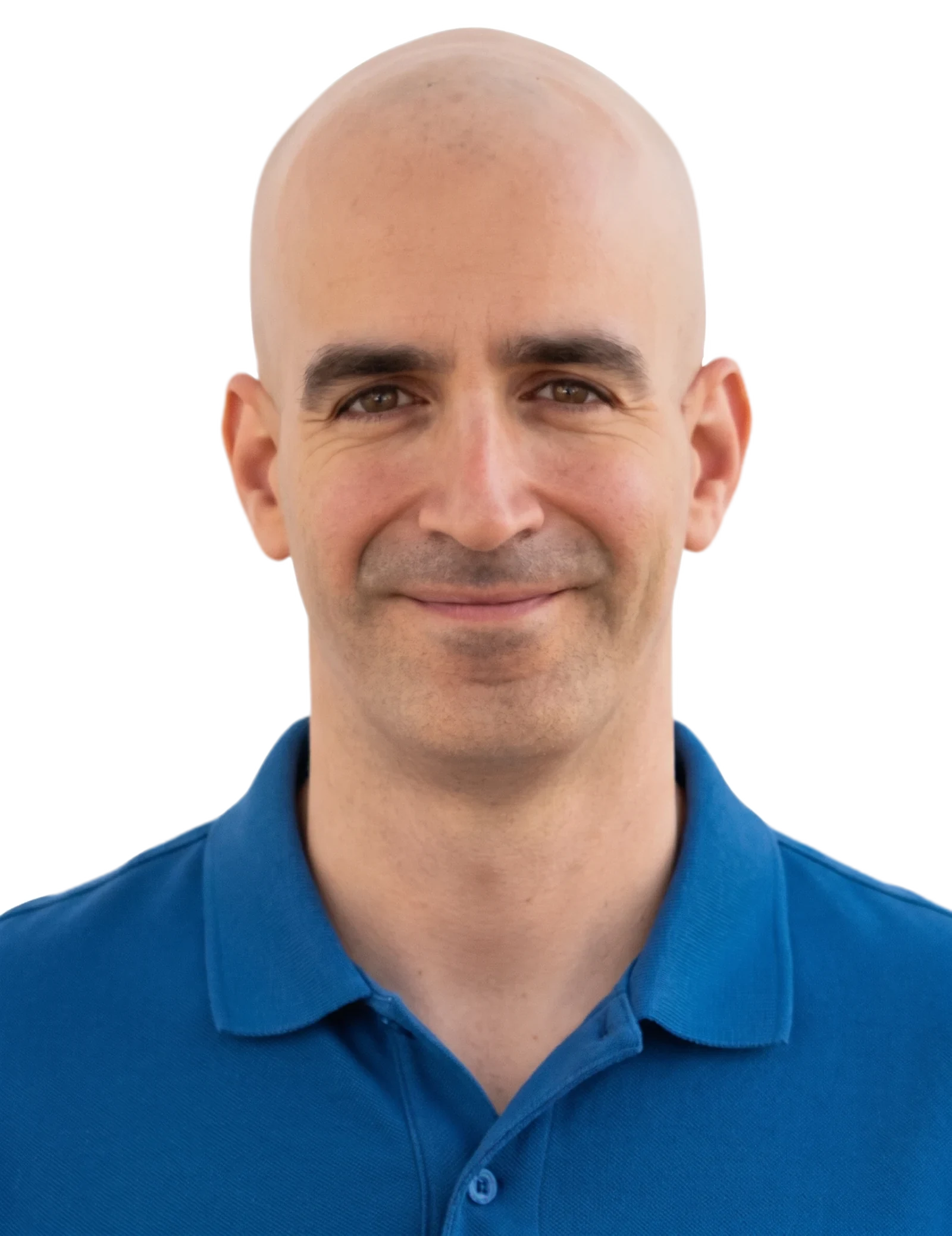
Why Amir
Designed and led by someone who has built fraud models in production
The patents closest to this problem:
Amir is a named inventor on US 12,124,933 B2 (Artificial intelligence system for anomaly detection in transaction data sets, filed at NICE Actimize; granted).
Amir is a named inventor on US 12,124,933 B2 (Artificial intelligence system for anomaly detection in transaction data sets, filed at NICE Actimize), related background on spotting unusual records.
View on Google PatentsAmir is a named inventor on US 2024/0394713 A1 (Systems and methods for programmatically generating decision rules for alert detection engines using machine learning operations, filed at NICE Actimize; pending).
Amir is a named inventor on US 2024/0394713 A1 (Systems and methods for programmatically generating decision rules for alert detection engines using machine learning operations, filed at NICE Actimize, pending), related to turning model output into rules.
View on Google PatentsThese patents were filed at the companies named. They show the problems Amir has worked on; they are not Riskernel products.
Is this you
You probably need this if
- Your last field exam verified a share of the borrowing base you cannot state as a number.
- Some debtors on the schedule have not paid into your collection account in months while their balances grow.
- Payments on assigned invoices sometimes come from the borrower rather than the debtor.
- You last searched lien filings on a borrower at onboarding.
- A new debtor grew quickly to a large share of the base with little payment history.
Questions
Before you reach out
Does this replace our field examiner?
No. It sits alongside them and gives them a ranked list instead of a random draw.
What data do you need?
The receivables schedule, statements for the collection account, and borrower identifiers for lien searches. Shipping records help where goods move.
Does a flag mean fraud?
No. A flag is a specific reason to verify an invoice or debtor before the next advance.
Can it keep running?
Yes, monthly, if you want the book tested between field exams.
Scope Collateral Book Exam with Amir
Tell Amir what you run and what worries you. He replies with a short scope outline.